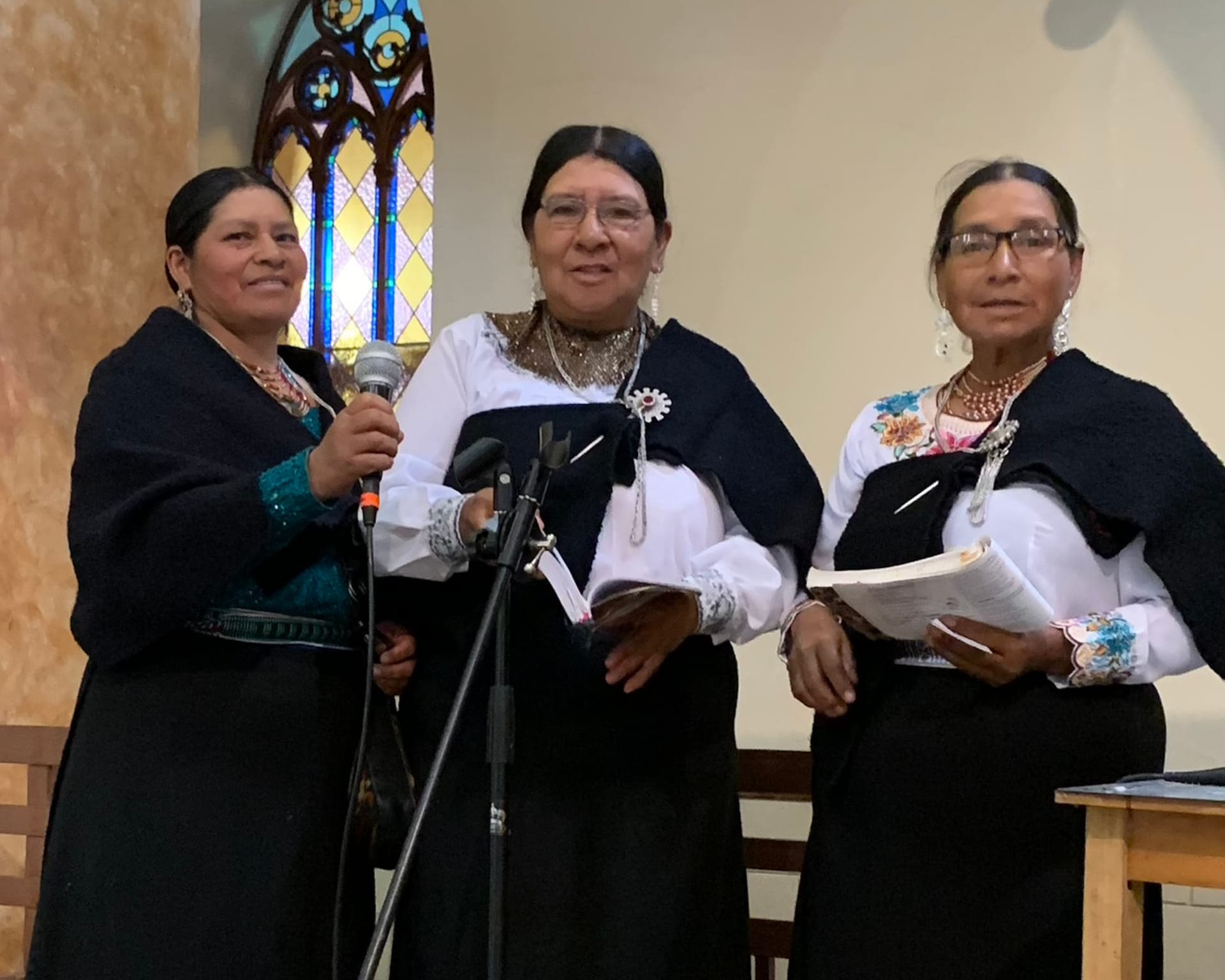
21 February: International Mother Language Day
This holiday was proclaimed by UNESCO in 1999 to commemorate the importance of the Mother Language.
People have always used language to gather important knowledge for the development of their community. In every society, however, language is not only used for communication, but is also an important means of expressing cultural identity. In this sense, language is a very powerful tool by which each community transmits information about its past and thus preserves its own collective Memory.
We are now living in a time when a large number of small languages are threatened with extinction, which could have dire consequences, with up to 50% of languages disappearing within a few generations.
It is estimated that there are currently about 600 indigenous languages still alive in Latin America. However, some of these languages are highly endangered, as they fall precisely into the category of those at imminent risk of extinction. This unfortunate situation is due to a number of factors. Among the most important of these is the fact that the number of active speakers of endangered languages tends to be very low and, moreover, limited to the oldest generation. While the middle generation understands their parents' language, they are no longer fluent in it, while the youngest generation not only does not speak the language, but also no longer understands their grandparents. Since the languages of indigenous communities in Latin America mostly have no written form, they inevitably risk disappearing with the last speaker.
Saving every endangered indigenous language is vital because it is the carrier of the priceless richness that we all share as Humanity. The identity of each community is expressed through the languages spoken. For the preservation of a language, especially if it does not have a written form, it is all the more urgent to take the necessary steps immediately to save it and ensure that the wisdom accumulated over generations is preserved.
The adverse current situation is the reason why EPSULA has focused on making records of indigenous languages. This is one of the first steps necessary to avert the imminent threat facing languages on the edge of extinction. At the same time, it is an example of how EPSULA tries to follow one of the project mottos:
Little things done today will lead us to big goals.