International project EPSULA will help preserving indigenous languages and cultures of Latin America
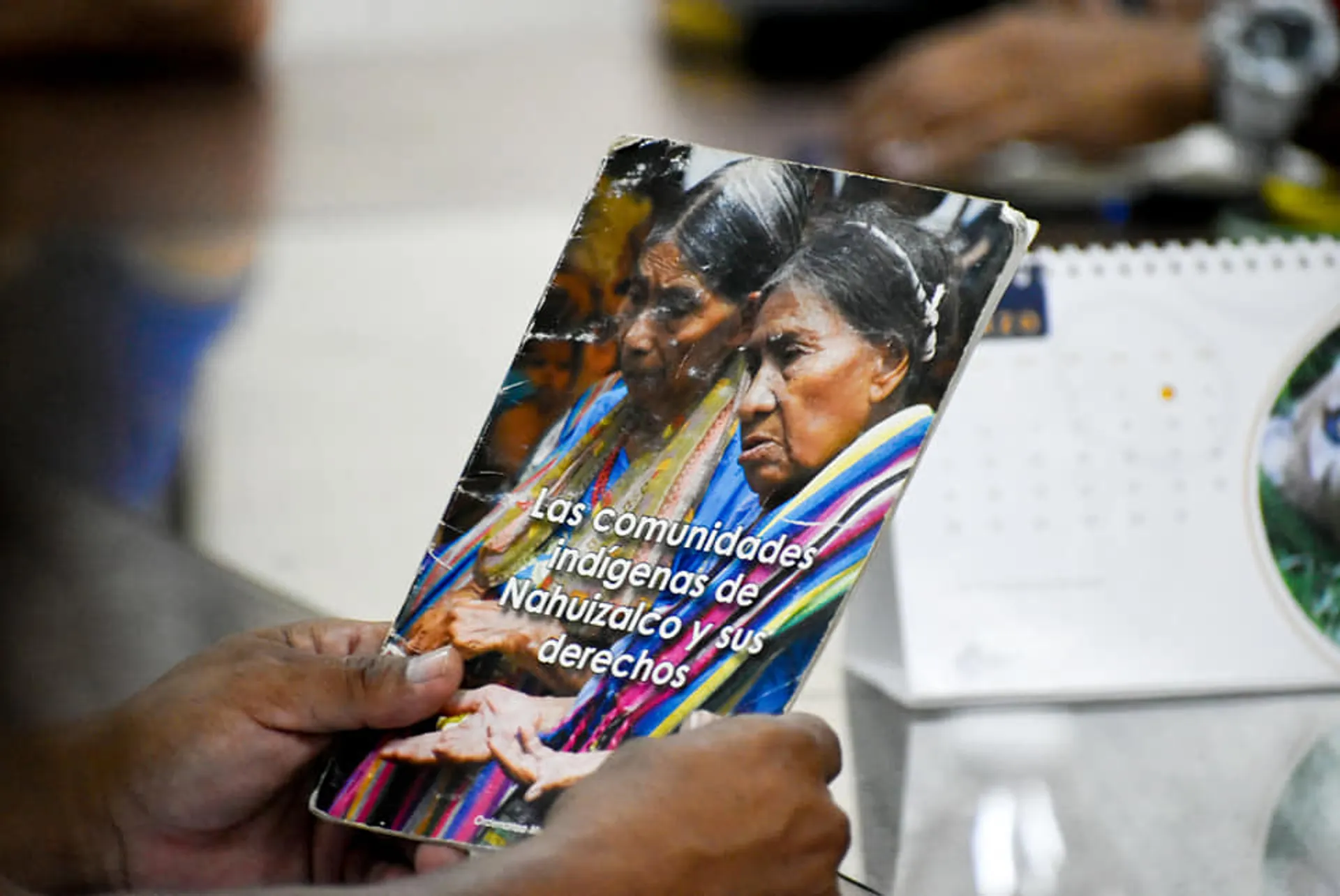
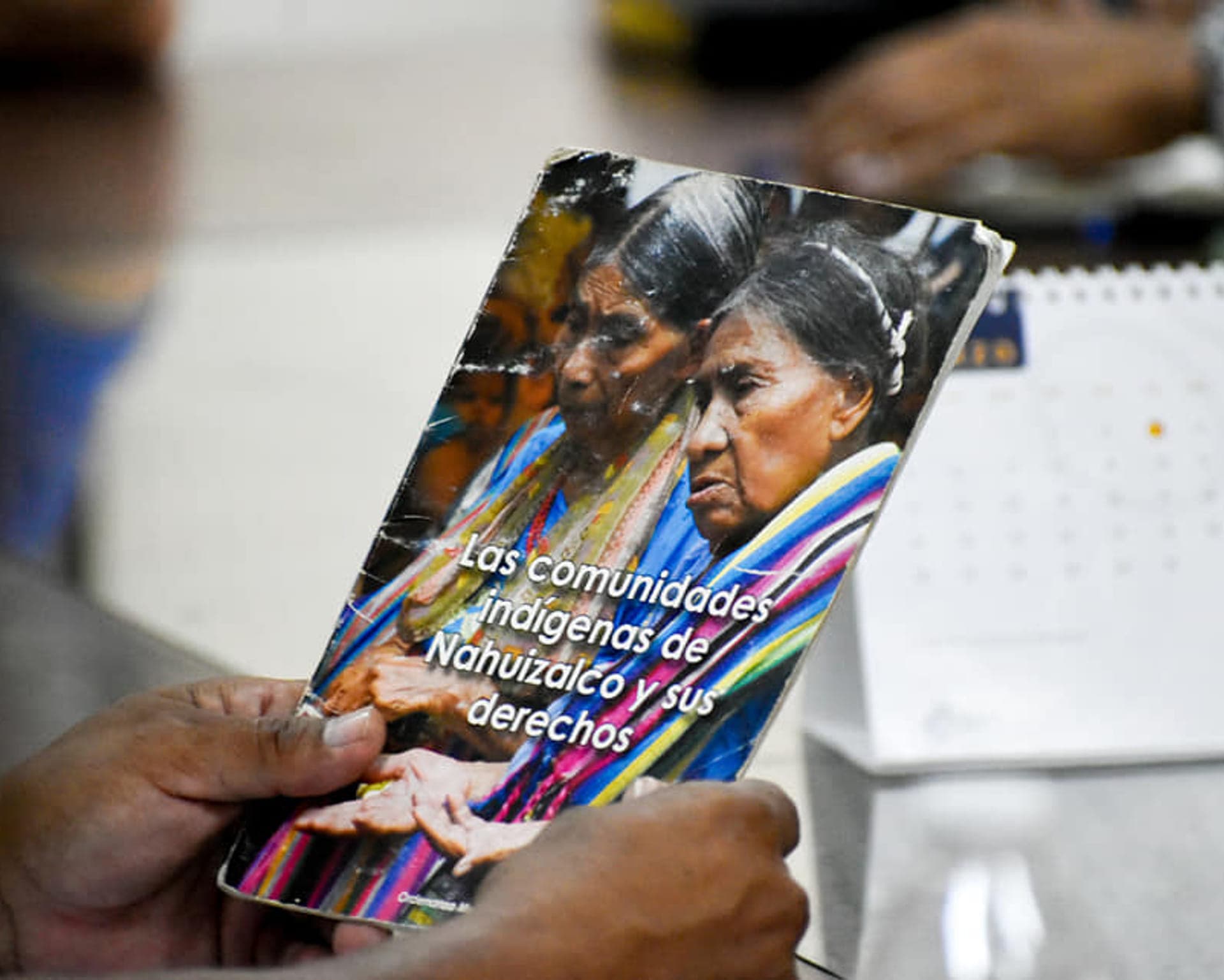
The EPSULA project (Educational Portal for Sustainable Cultural Diversity in Latin America) aims to preserve cultural heritage, including the languages of the indigenous communities of Latin America that have never been recorded in writing. Six institutions from Ecuador, El Salvador, Spain, the Czech Republic, and Finland are working to create a multilingual online portal that will preserve authentic language materials while promoting sustainable tourism.
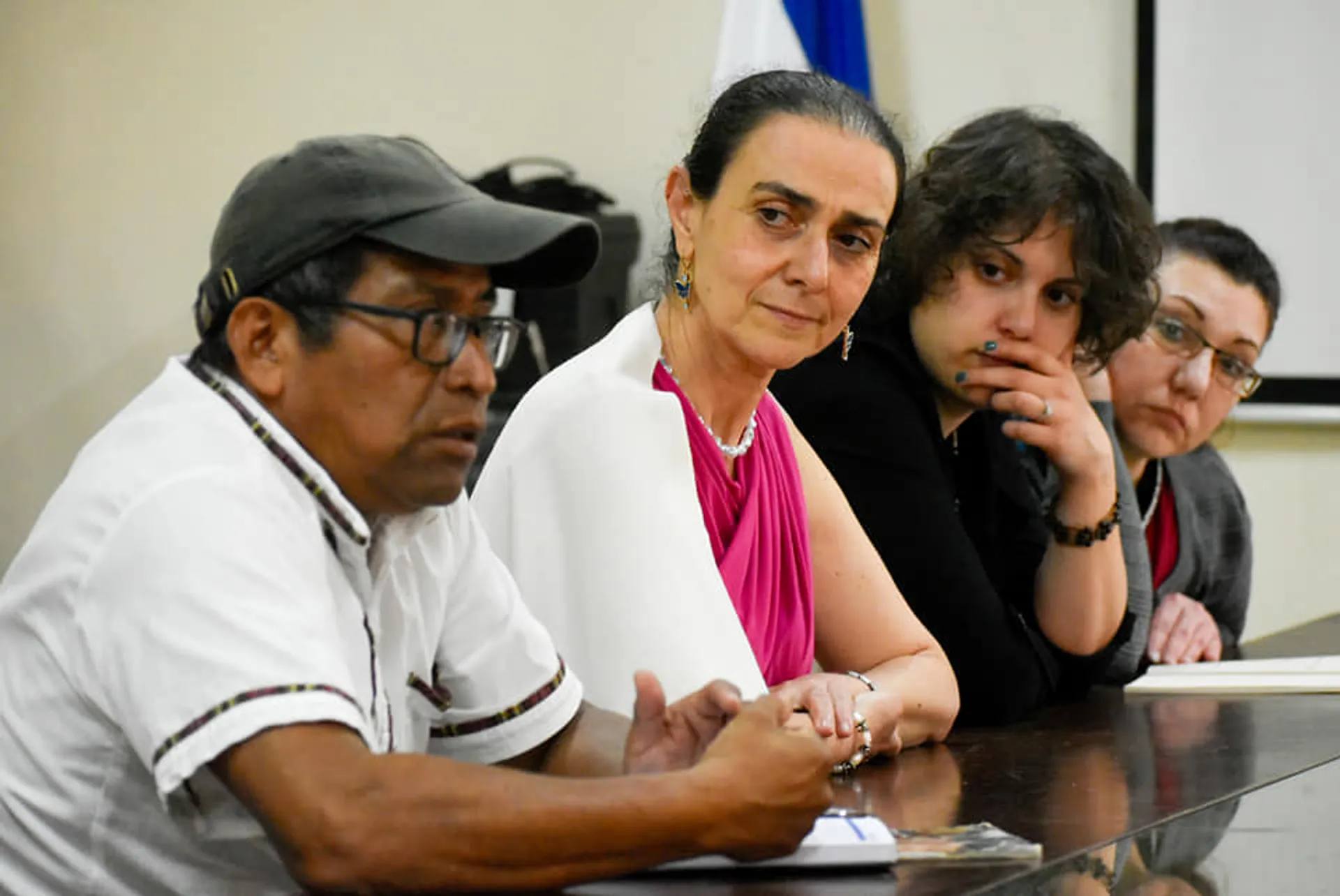
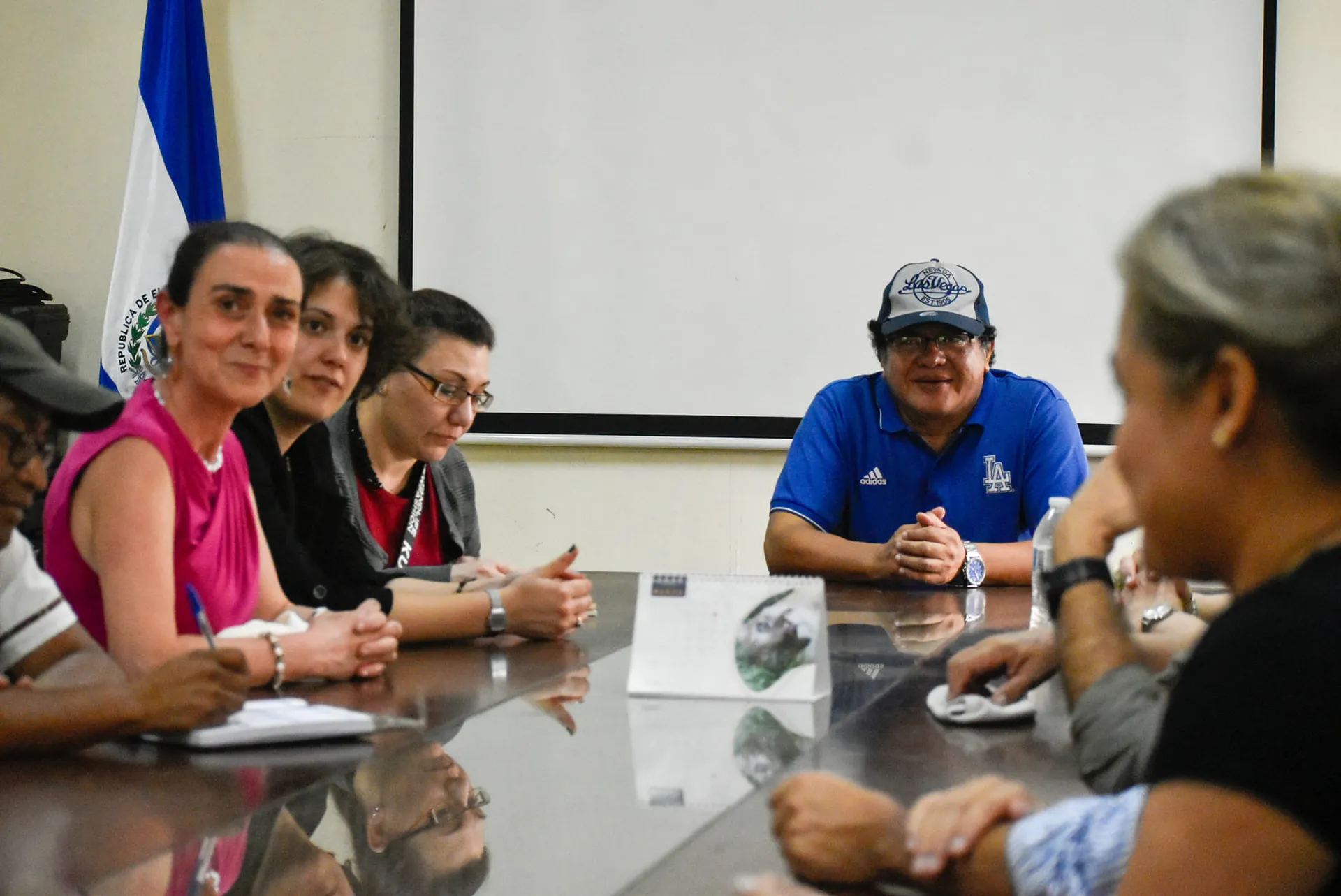
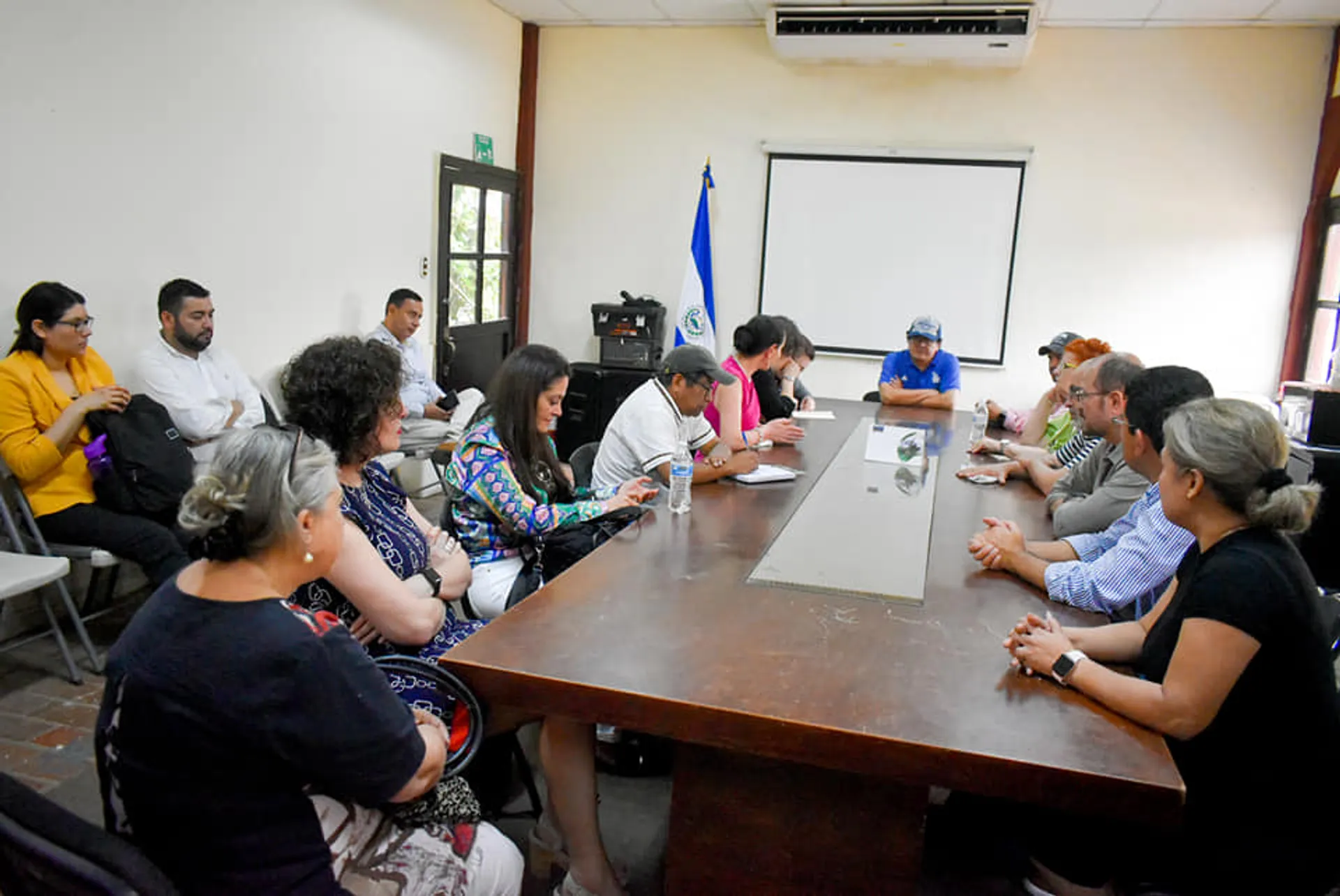
The EPSULA project is a collaboration between Universidad de Santiago de Compostela, Tampere University of Applied Sciences, Universidad Politécnica Salesiana, University of Azuay, Universidad Católica de El Salvador, and Universidad Don Bosco. The project aims to create educational materials and establish connections between local communities, non-profit organizations, travel agencies, and public authorities to develop a functional model of re-skilling courses and workshops for working with Latin American cultural heritage. The project seeks to address the disappearing know-how and limited opportunities for residents in certain areas. The project aims to use a combination of technology, education, and cultural heritage protection to improve the situation of vulnerable indigenous communities in remote areas in an environmentally friendly way. The first joint meeting of the partners took place on 28 March in the second largest city of El Salvador, Santa Ana and it included the participation of the Ambassador of the European Union to the State of El Salvador and the Rector of the partner university, Universidad Católica de El Salvador.
The Ecuador and El Salvador partners are responsible for collecting and recording materials from indigenous communities, transcribing and translating them into Spanish. The European partners, on the other hand, will develop an online portal and educational modules based on authentic materials. The Ecuador and El Salvador partners will then pilot the educational modules, methodologies, and sustainable tourism support materials in their existing and newly-established programs. Finally, all partners will present the portal to target groups, such as educators, social workers, and tourism agents in Latin America and the EU.
CJV will continue to provide updates on the EPSULA project, which is set to run until 2025, through its website and social media channels.
This project is supported by the European Union.